Perineal hernia in dogs is a common situation I encounter during consultation. 🐶 It results in an abnormal protrusion in the perineal region when the internal organs migrate due to weakness of the perineal muscles. Here you will find a clear explanation, treatment options, risks and what I explain to each owner before and after the procedure.
Quick summary:
I will help you so that your dog overcomes his perineal hernia: the surgery it is the most sustainable path and, with rigorous monitoring, it regains its comfort. 🐶❤️
- Treatment : the hernia does not regress on its own; There surgery corrects weakness, medical measures only help.
- Numbers : ≈ 80% successful; 20-25% of recurrence depending on the technique, tissue condition and follow-up.
- Emergency if the bladder is involved: difficulty urinating, painful lump or depression = consult without delay.
- Castration often proposed in intact males to reduce hormonal pressure and limit relapses.
- After the operation : collar, strict rest, pain management; look at the wound and warning signs (flow, swelling, tenesmus, blood, depression). 🩺
What is perineal hernia in dogs?
A perineal hernia corresponds to the partial exit of the pelvic organs towards the perineal area, often through a muscular deficit between the rectum and the skin. The affected organs may be the colon, the bladder or sometimes the fatty tissue.
Let’s also talk about perineal protrusion or perineal hernia. The word «hernia» describes the mechanism: an internal structure pushes through an abnormal opening created by weakened perineal muscles.
Causes and contributing factors
Several mechanisms contribute to the formation of a perineal hernia. The most common cause is progressive weakness of the perineal muscles related to age and hormonal activity in the entire male.
Hereditary factors, local trauma or repeated pressure during defecation can aggravate this weakness. Sometimes neurological disorders related to the sacral region are involved, which explain the insufficient contraction of the perineal muscles.
Why is surgery necessary?
Perineal hernia does not disappear spontaneously. In the vast majority of cases, the only treatment that permanently corrects the deformity is surgery.
Medical or conservative treatments may provide temporary relief, but do not repair the anatomical weakness. These approaches are reserved for very old dogs or dogs at high anesthetic risk, where surgery may be delayed or omitted.
Preoperative assessments such as blood tests are performed before surgery to evaluate your general condition and minimize anesthetic risks.
When a fragile organ such as the bladder is involved, the intervention becomes urgent, because there is a risk of obstruction or necrosis if the vascularization is compromised.
What is the success rate of the operation?
In the literature and in my experience, the overall success rate is close to 80% when the procedure is performed by an experienced veterinarian. This success means functional recovery and anatomical correction without major complications.
However, there is a risk of recurrence. According to published series, relapse can reach from 20 to 25%. The probability varies depending on the surgical technique chosen, the condition of the dog’s tissues and postoperative follow-up.
What are the possible complications after the operation?
Several complications may arise after the operation. Some are minor, others require additional medical or surgical intervention.
- Wound infection
- Seroma or hematoma
- Fecal incontinence (due to nerve or muscle damage)
- Perineal fistula
- Tenesmus and difficulty defecating
- Hernia recurrence
Prevention and rapid identification of these complications are based on careful postoperative management: wound monitoring, pain control, targeted antibiotic therapy if necessary and compliance with activity instructions.
What surgical techniques are used?
There are several techniques for treating a perineal hernia and the choice depends on the extent of the lesion, the muscle integrity and the experience of the surgeon.
Direct muscle suture
The direct suture consists of bringing the muscle banks together and fixing them together to close the defect. This method is indicated for small hernias with still good quality tissue.
It is less invasive and quicker, but has a higher risk of recurrence if muscle quality is poor or if abdominal pressure remains high after the procedure.
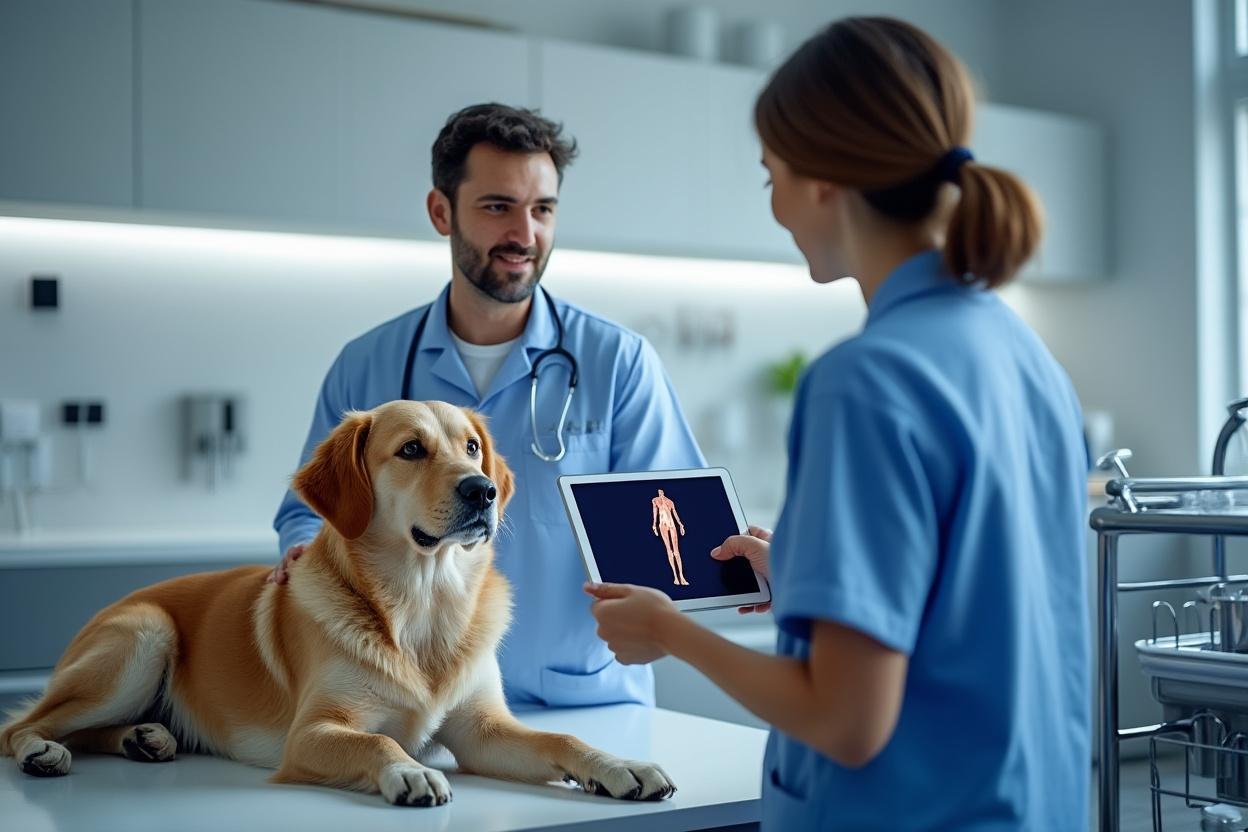
Transposition of muscles (obturator internus, etc.)
Muscle transposition uses an adjacent muscle to strengthen the area. The obturator internus is often mobilized and repositioned to form a more robust “barrier” against recurrence.
This technique requires good knowledge of perineal anatomy and innervation. It provides greater stability and reduces tension on the suture, thus reducing the risk of recurrence compared to simple suturing.
Use of synthetic networks or biomaterials
Synthetic mesh or biomaterials are used to reinforce the repair when tissue support is lacking. They can be positioned as reinforcement to distribute mechanical stress.
These materials improve the durability of the repair, but introduce the risk of infection or incomplete tissue integration. The choice of material and implant technique influence the result.
Additionally, the use of a colopexy (colon fixation) or cystopexy (bladder fixation) may be proposed to prevent organ mobility and reduce strain on the repair.
Here is a summary table comparing surgical approaches and their benefits/risks:
| Technique | Main advantage | Limit/Risk |
|---|---|---|
| Direct suture | Simple and fast | Possible recurrence if tissues are weak |
| Muscle transposition | Natural strengthening, less tension | More complex technique, requires experience |
| Meshes/biomaterials | Sustainable reinforcement | Risk of network infection or exposure |
| Colopexy/cystopexy (complement) | Stabilizes organs, reduces relapses | Additional intervention, extended operating time |
The role of castration in the operation
Most affected dogs are unneutered males. Castration combined with surgical repair decreases hormonal pressure and the size of the prostate structures, thus reducing strain on the perineal area.
I often recommend castration at the time of surgery unless contraindicated. It is one of the measures aimed at minimizing the probability of recurrence and improving long-term functional outcomes.
What postoperative care should be followed?
The care after surgery strongly influences the prognosis. Regular wound monitoring allows for rapid detection of infection, seroma or dehiscence.
Pain management is important to limit straining and agitation that could weaken the repair. You may need an Elizabethan collar to prevent licking. I emphasize activity limitation for several weeks and scheduled check-ups.
Warning signs to watch out for
You should consult urgently if you observe purulent discharge, increased swelling, difficulty defecating, blood in the stool, or marked depression. These signs may indicate a complication that requires rapid treatment.
Regular monitoring allows you to adapt treatments (antibiotics, analgesics) and plan a new operation if necessary.
What is the prognosis after the operation?
The medium- and long-term prognosis is generally favorable if the operation is performed well and if postoperative instructions are followed. Most dogs regain a satisfactory quality of life, with a return to usual activities.
Success also depends on individual factors: tissue condition, presence of other pathologies, compliance with the veterinarian’s recommendations and, if necessary, carrying out additional procedures such as colopexy.
Opinions and testimonials from veterinarians
In my discussions with colleagues there is broad agreement: surgery remains the standard treatment for perineal hernia. Veterinarians emphasize the importance of surgical experience and structured postoperative follow-up to limit complications.
Owners’ testimonies sometimes reflect great gratitude when the animal regains its well-being. Others share more difficult paths, with a recurrence or a complication that required a second operation. This feedback highlights the importance of clear information before action and support after.
If your dog has a perineal protrusion, talk to your vet right away. I remain available to listen to you, evaluate the case and define the most suitable strategy for your companion. ❤️
Latest posts
Adopt a small dog for free near Marignane: complete guide

Most expensive animal: what is its price? Discover the most expensive animals

How can I help my dog who barks when alone feel reassured?

Calming your cat’s heat with essential oils: what do you need to know?

I Regret Getting a Second Dog: What Should I Do?
How long can a rabbit go without drinking?
How does the Sarthe Animal Defense League protect hedgehogs?
Dog coughing as if he had something stuck: causes and solutions
How to easily recognize a carpenter wasp?