
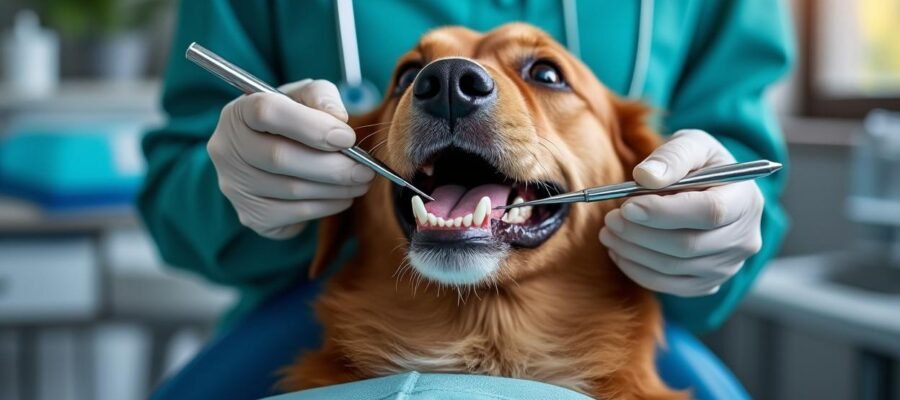
Caring for a dog’s mouth isn’t just about masking bad breath, it’s about addressing a source of inflammation and infection that can affect the entire body. As a veterinarian, I often encounter concerned owners; This article brings together effective and accessible methods to reduce oral bacterial load and preserve your companion’s dental and general health 🐶.
Quick summary:
I’ll help you set up a simple routine for reduce the bacterial load in your dog’s mouth, protecting his teeth and overall well-being 🐶🩺.
- Brush the external faces at least 3 times/week (ideally every day) with toothpaste enzyme for dogsnever human toothpaste 🪥.
- Add one each day antiseptic additive with drinking water to slow down the biofilm 💧.
- Partner PlaqueOff type powders and chewing strips designed to soften the plaque and strengthen the mechanical action.
- Identify bad breath, bleeding gums or discomfort when chewing early and consult quickly if problems arise facial swelling or loss of appetite.
- Program a annual veterinary check (or semi-annually if necessary), the scaling under anesthesia it is necessary when the infection is advanced.
Importance of dental hygiene in dogs
The mouth is a permanent bacterial hotbed. When plaque adheres to the teeth it turns into tartar, therefore a source of infection. This leads to bad breath, gingivitis and periodontitis, with a risk of damage to the heart, kidneys or liver if the inflammation becomes chronic.
Prevent the accumulation of bacteria limits complications and improves dog comfort. A healthy mouth also promotes normal eating and stable behavior, because dental pain alters appetite and mood.
Consequences of bacterial accumulation
Untreated plaque mineralizes into tartar, which holds even more bacteria. The local inflammatory response can lead to loss of the bone that supports the teeth and significant pain.
The bacteria can enter the bloodstream and contribute to distant infections. General signs such as fatigue or shortness of breath should suggest an oral-dental connection.
Signs to look for in your dog
Watch out for bad breath, excessive salivation, discomfort when chewing, and the presence of visible tartar or bleeding gums. These signals deserve prompt evaluation.
A regular oral exam at home allows you to identify anomalies early and avoid progression that would require anesthesia and more invasive treatment.
Regular tooth brushing
Brushing remains the most effective method for reducing plaque and bacteria. Here’s how to optimize this simple act for real impact.
Why brush your teeth
The mechanical movement of the brush dissolves the bacterial film before it mineralizes. Regular brushing reduces the risk of gingivitis and tartarwhich limits oral infections and their systemic consequences.
Dog toothpastes often contain enzymes that enhance the mechanical action, breaking down some plaque components.
Method, tools and recommended frequency
Use an enzymatic toothpaste designed for dogs, ideally flavored (e.g. poultry) to aid acceptance. Human toothpastes should be avoided, some ingredients can be toxic. A specific soft brush or finger bed allows access to external surfaces, which are prioritized for brushing.
The minimum recommended frequency is three times a week. If possible, daily brushing remains the goal for optimal prevention. Focus on the outer surfaces of your teeth, where plaque accumulates the most, and make this part of your daily routine.
Antiseptic oral solutions
Drinking water additives represent a simple option to limit bacterial growth without extensive daily intervention.
These aqueous supplements contain antiseptic agents or extracts that reduce biofilm formation. They are easy to administer and compatible with the dog’s daily routine, increasing owner compliance.
Food supplements and powders
Powders to be sprinkled on foods work differently than surface products. They modify the quality of saliva and the consistency of plaque, facilitating its natural elimination.
Products like Proden PlaqueOff are among the common options. They contain algae and other ingredients that help soften plaque, reducing adhesion to the gum line and promoting the mechanical action of chewing.
Here is a summary table to compare the main methods and their use.
| Method | Frequency | Main action | Strong points |
|---|---|---|---|
| Brushing with enzymatic toothpaste | 3 times a week minimum, preferably every day | Mechanical plaque removal | Very effective in preventing tartar and gingivitis |
| Antiseptic oral solutions | Daily | Reduction of bacterial proliferation | Easy to set up, little effort |
| Powders and supplements | Daily | Softening of plaque | Acts from the inside, good tolerance |
| Chewing treats/strips | According to product recommendations | Mechanical action through chewing | High acceptance, reward |
| Sprays and mouthwashes | Daily or one-off | Local antiseptic action | Targeted application, complementary to brushing |
Chew treats and strips
Products designed for chewing have a mechanical action that helps reduce tartar. They fit well into a global prevention strategy.
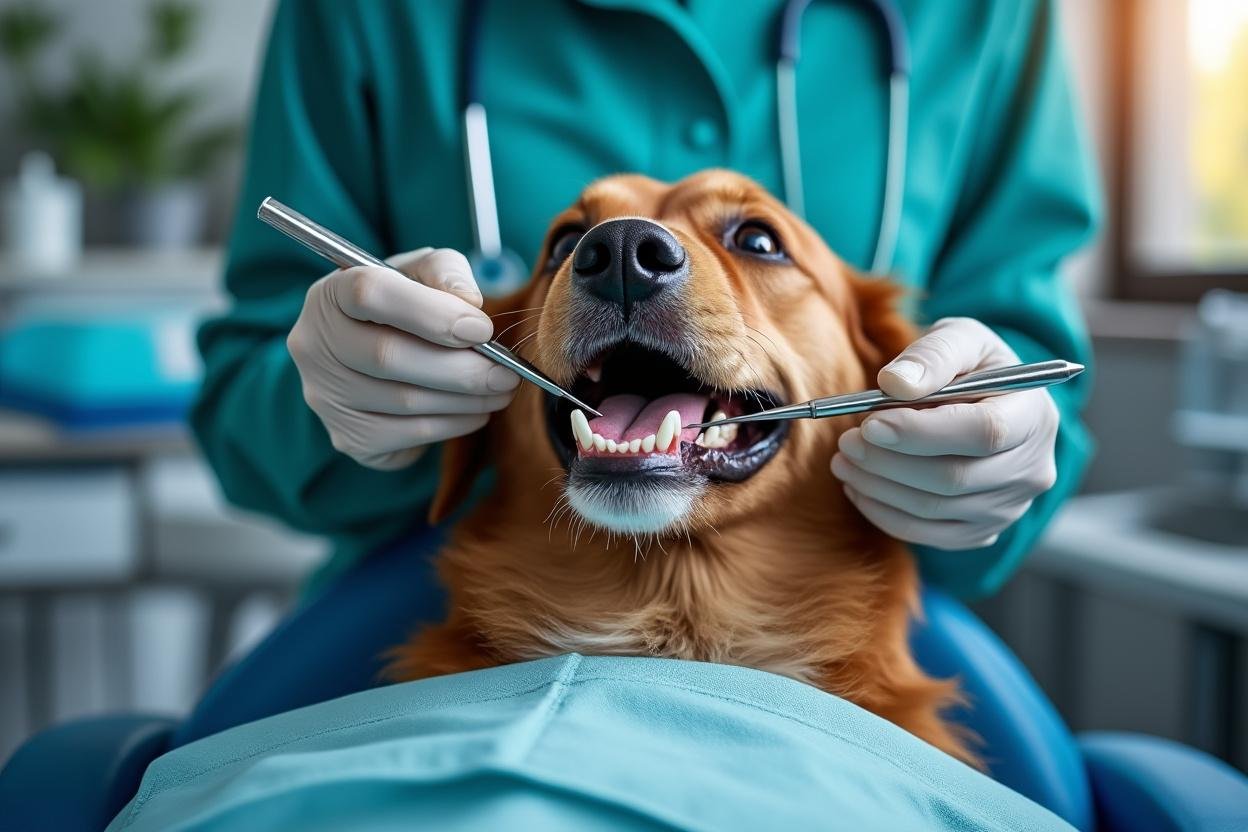
Choose treats specifically formulated to fight tartar. They offer a motivating alternative for the dog and reinforce the owner’s habit of stress-free care.
Occasional natural remedies
Some natural remedies can complement daily care, to be used in moderation and checking the animal’s tolerance.
Chopped fresh parsley
Parsley provides chlorophyll and compounds that can temporarily limit oral odors. A small amount added to food can provide a cooling effect.
This remedy does not replace brushing, but is a simple and natural contribution to improving breath between two treatments.
Plain yogurt (1 teaspoon per day)
Natural yogurt contains probiotics that can help balance oral and digestive microbial flora. A moderate dose, adapted to the dog’s weight, is sufficient to observe a beneficial effect.
Choose yogurt without added sugar or toxic sweeteners. If you have lactose intolerance, avoid this product and prefer other probiotic alternatives suitable for carnivores.
Manuka honey in small quantities
Manuka honey has known antiseptic properties, useful for occasional use on a wound or for temporary breath relief. Administer it in very small quantities, paying attention to calorie intake.
Don’t give honey to a very young puppy without veterinary advice and avoid any sugary routine that would promote tooth decay or weight gain.
Dog mouthwash or spray
Sprays or mouthwashes designed for dogs offer a local antiseptic application, often compatible with drinking water. They are a useful addition to brushing.
A product like Vet Aquadent, used diluted according to the indications, allows you to act on the oral flora on a daily basis. Targeted use helps reduce bacterial load while remaining simple for the owner.
Veterinary intervention if necessary
When the infection has advanced, home measures are no longer enough. In this case, I recommend a consultation for evaluation and appropriate treatment.
Treatment may include antibiotic therapy, scaling under anesthesia, tooth extractions or periodontal treatment. These actions aim to eradicate infectious sources and restore oral health..
When to consult urgently
Seek prompt care if you notice severe pain, swelling of the face, loss of appetite, or discharge from the mouth. These signs often reflect a localized infection that can become generalized.
Avoid using products intended for humans that may contain ingredients toxic to dogs, such as xylitol or some essential oils. If in doubt, seek professional advice.
Tips for maintaining good dental hygiene
Prevention requires an adapted routine and regular observation. Start early, as soon as the puppy arrives, to establish a positive habit and reduce resistance to brushing.
Combine multiple approaches : brushing, chewing strips, supplements and, if necessary, sprays. This multimodal strategy provides effective coverage against plaque and bacteria.
Schedule annual or semi-annual veterinary checks depending on age and oral condition. Regular monitoring allows you to adapt measures and avoid heavier interventions.
In summary, regular preventive action, adapted and combined with specific products, significantly reduces the bacterial load and improves your dog’s quality of life 🩺🐾.
Latest posts

Adopt a small dog for free near Marignane: complete guide

Most expensive animal: what is its price? Discover the most expensive animals

How can I help my dog who barks when alone feel reassured?

Calming your cat’s heat with essential oils: what do you need to know?

I Regret Getting a Second Dog: What Should I Do?

How long can a rabbit go without drinking?

How does the Sarthe Animal Defense League protect hedgehogs?

Dog coughing as if he had something stuck: causes and solutions
How to easily recognize a carpenter wasp?