Pugs benefit enormously from a diet designed for their body shape and frailties. I will explain to you here, as a veterinarian, how an adequate ration can limit respiratory, joint and cardiac risks, improve daily comfort and help extend your companion’s life expectancy 🐶❤️.
Quick summary:
I will help you feed your Pug to facilitate breathing, protect joints and achieve years of comfort, with a controlled weight and a well-considered ration 🐶❤️.
- Try to have a stable weight around 6–8 kilograms : weigh the rations and include the treats in the calculation ⚖️.
- Adult: 18-22% protein et 8–12% lipids ; Elderly: 18-20% protein with phosphorus < 1% (+ omega-3, antioxidants).
- Indicative ration for 6–7 kg not very active: 75–90 g/jto be divided at least into 2 meals a day 🍽️.
- Follow 2-4 weeks, then adjust the amount 5-10% based on the evolution of weight and body score.
- Prepare the meal: large, shallow bowl, or anti-greedy if necessary, for easier handling and less breathing effort.
Importance of the right diet for Pugs
The relationship between diet and longevity is direct: an inadequate diet promotes overweight, inflammation and premature organ degradation. In pugs, every extra kilo often causes an overload of the respiratory system and joints.
A well-chosen diet reduces respiratory and cardio-articular risksmaintaining sufficient muscle mass and limiting abdominal fat that hinders breathing and increases the load on the heart.
I invite you to consider nutrition as a long-term prevention tool rather than as a simple energy supply. Adaptation of food to breed, age and activity changes health prognosis over the years.
Maintaining ideal weight
Pugs tend to become overweight easily. Excess weight amplifies noisy breathing, weakens joints and increases the risk of hyperthermia and cardiovascular disease.
The target weight for an adult Pug is around 6-8kg. This range generally ensures good mobility and more comfortable respiratory functioning.
Prevention involves precise weighing of rations and rigorous management of treats. Rewards should represent a small portion of daily energy intake and, if possible, be included in ration calculations.
To evaluate body condition, I recommend using the body condition scale (visual scores and rib palpation). A properly weighted Pug has a slightly marked waist and ribs that are easy to feel under a light layer of fat.
Choose a quality diet
The digestibility and quality of the ingredients play an important role in the health of the intestine and the immune system. I prefer foods containing a high percentage of animal protein and few sources of low-quality carbohydrates.
For an adult pug, aim for around 18-22% protein and 8-12% fatto be adjusted based on the activity. These values favor muscle maintenance without excess calories.
Kibble or pates formulated specifically for small brachycephalic dogs are desirable: they take into account the size of the kibble, energy density and digestibility.
In addition to proteins, the presence of antioxidants, omega-3 and prebiotics improves resistance to infections, skin health and coat quality.
Adaptation of diet to life stages
The needs vary greatly between puppy, adult and elderly; a gradual transition between formulas is the best solution to avoid digestive disorders and weight gain.
Puppy nutrition
Pug puppies have rapid growth and high energy needs. Up to approximately 12 months we recommend using «puppy» kibble specially formulated for small breeds.
Recommended doses for puppies: proteins around 25–28% and lipids 16–20%, with a supply of DHA for the brain and a coverage of vitamins and minerals suitable for growth.
Good digestibility prevents diarrhea and allows optimal absorption of nutrients necessary for bones and muscles. The size and consistency of the kibble should make it easier to grip.
The transition to adult nutrition should be done gradually by observing muscle development and weight gain, to avoid becoming overweight from a young age.
Below are detailed recommendations for adults and elderly people to ensure nutritional continuity and prevent breed-related diseases.
Adult nutrition
In adults, the main goal is to stabilize weight while maintaining energy and muscle mass. The ration must be calibrated according to the level of activity: sedentary, moderately active or very active.
The range is 18 to 22 percent protein and 8 to 12 percent fat it is a good starting point, to be adapted in case of increased activity or muscle recovery after a period of inactivity.
Regularly monitoring your weight and body condition allows you to adjust your daily grams. For less active animals, a 10-20% reduction in calories is often necessary.
For pugs who live in the city and get little physical activity, choose a formula with a moderate calorie density and monitor additional intake (bones, table scraps, treats).
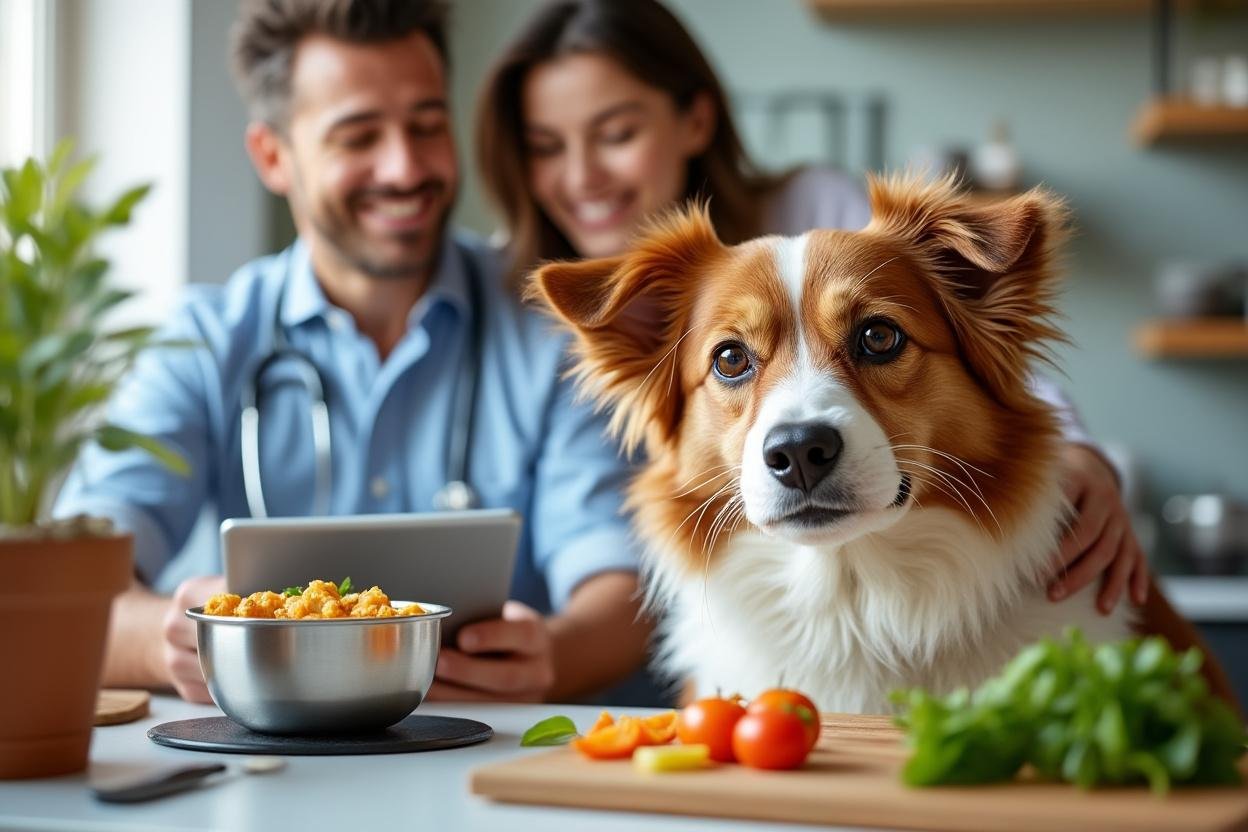
Before switching to a specific diet for seniors, look at mobility, appetite and kidney function, as these parameters will guide the adjustments you need to make.
Nutrition for the elderly
From 7 to 8 years of age, the Pug enters a phase where preventing muscle loss and protecting kidney and brain function become more important.
Recommendation: 18-20% quality protein and reduction of phosphorus to less than 1%accompanied by a controlled intake of sodium to protect the kidneys and heart.
Senior formulas focus on high digestibility, a concentration of antioxidants to limit oxidative stress, and omega-3s for neurological and joint support.
Appropriate supplements can support kidney function, joints and cognition. Regular evaluation by a veterinarian allows these intakes to be customized based on the clinical condition.
Before talking about distribution and portioning practices, here are some concrete guidelines for dosing rations based on weight and activity.
Portion control and meal timing
Precise portion control is one of the most effective measures to prevent obesity and its complications. I recommend a kitchen scale and weight tracking sheet.
Example of an indicative daily ration: for a not very active pug of 6–7 kg, count approximately 75–90 g per day croquettes; for a more active or playful animal, increase gradually based on energy expenditure.
Dividing the ration into at least two meals a day reduces the risk of vomiting, reduces glycemic peaks and facilitates digestion in brachycephalics.
- Morning: 40–50% of the daily ration.
- Evening: 50–60% of the daily ration.
I advise you to adjust these parameters after a 2–4 week follow-up: if the weight increases, reduce it by 5–10%; if it decreases and the animal loses weight, increase slightly.
Here is a summary table to help you choose the formula and ration based on age and activity.
| Life stage | Protein (%) | Lipids (%) | Phosphorus | Indica ration (6-7 kg) |
|---|---|---|---|---|
| Puppy (≤12 months) | 25–28 | 16-20 | Standard | Depending on weight and activity (frequent adaptation) |
| Adult | 18–22 | 8–12 | Standard | 75–90 g/day (not very active) |
| Elderly (≥7-8 years) | 18-20 | 8–12 | <1% | It varies depending on kidney and muscle conditions |
Support longevity with protective nutrients
Pugs improve their quality of life if their diet contains soluble fiber, antioxidants and omega-3 fatty acids. These components act on inflammation, cognitive health and lipid regulation.
Antioxidants limit cellular agingomega-3s protect the joints and heart and the fibers support the balance of the intestinal flora.
Some fruits and vegetables, administered in small quantities, supplement the ration with vitamins and fibre: carrots, courgettes, green beans, seedless apples and blueberries provide useful micronutrients and antioxidants.
Before introducing a supplement, inform yourself: for example, giving spirulina to your dog requires precautions and veterinary advice.
Pay attention to the quantities: these foods must remain supplements and not exceed a small daily portion. Avoid toxic foods like onion, grapes or chocolate.
Adapt the meal environment
The pug’s brachycephalic morphology requires adaptations in how food is presented. I recommend a wide, shallow bowl to make it easier to grip and limit breathing effort when chewing.
A suitable bowl reduces respiratory problems and reduces the risk of inhaling air that promotes reflux or vomiting.
Set meal time in a quiet place, without shopping or fuss. Preprandial stress can worsen panting and lead to regurgitation in a sensitive animal.
If your pug tends to eat too quickly, consider slow feeding games or an anti-gluttony feeder to encourage more measured eating.
Summary of best practices
In summary: choose a highly digestible diet, rich in quality animal proteins, strictly control portions and adapt intake to age and activity. Divide meals into at least two daily meals and provide a quiet environment and shallow bowls for eating.
With careful weight and intake management, you will significantly increase the chances of your Pug reaching and exceeding 12-15 years of age.. I remain at your disposal to develop a personalized nutritional plan for your partner 🩺🐾.
Image credits: Pug lies on natural parquet floor, tired dog lies on the ground, top view | Free photo
Latest posts

Adopt a small dog for free near Marignane: complete guide
Most expensive animal: what is its price? Discover the most expensive animals

How can I help my dog who barks when alone feel reassured?
Calming your cat’s heat with essential oils: what do you need to know?

I Regret Getting a Second Dog: What Should I Do?
How long can a rabbit go without drinking?
How does the Sarthe Animal Defense League protect hedgehogs?
Dog coughing as if he had something stuck: causes and solutions
How to easily recognize a carpenter wasp?