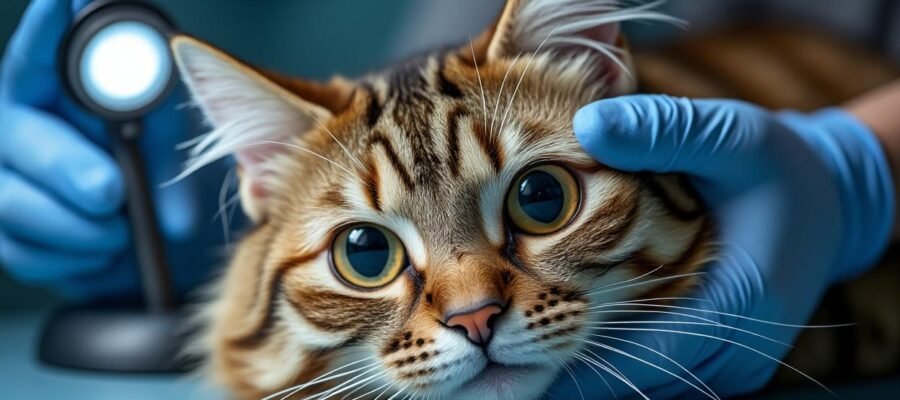
When you notice that your cat’s pupils are particularly large, it’s normal to ask questions. I am a veterinarian, I will explain to you clearly and thoughtfully what this observation means, which causes are benign and when it is appropriate to consult without delay 🐱❤️.
Quick summary:
Very large pupils in your cat? I help you distinguish a normal reaction from a signal to pay attention to in order to act at the right time 🐱❤️.
- Quick light test : position yourself in a lit room and get close to an indirect light source, there must be a pupil recontracting. If it remains large, make an appointment.
- Trivial situations : darkness, game, fear. The expansion is short and reversiblewithout other signs.
- Danger signs : persistent dilation, anisocoriared or painful eyes, vomiting, lethargy, convulsions. With another symptom, it is a veterinary emergency.
- Elderly cats : think abouthypertension related to the kidneys or thyroid, with risk of retinal detachment. Blood pressure measurement and ophthalmological examination should be scheduled without delay.
- Before the consultation : avoid the flash, note the context and time of appearance, film the anomaly, transport the cat to a quiet place, call for a time slot within 24-48 hours or faster if associated with signs.
Understanding pupil dilation in cats
Before delving into the causes and warning signs, it is useful to quickly lay the anatomical and physiological foundations to best interpret what you see.
What is pupil dilation?
Pupil dilation, also called mydriasiscorresponds to the widening of the central opening of the eye which regulates the amount of light entering the retina.
This enlargement may be temporary and normal or persist abnormally. When it is abnormal, it signals that the balance between the iris muscles and the nerves that control them is disturbed.
Physiology
In cats, night vision is favored by specific adaptations, in particular by the tapetum lucidum, a reflective layer located behind the retina. In low light conditions, the pupil dilates to maximize available light.
This automatic response is controlled by the autonomic nervous system. A change in light, emotion, or neurological stimulation can rapidly change the diameter of the pupil, without other associated symptoms.
Normal causes of pupil dilation
Several non-alarming situations explain dilated pupils, it is important to recognize these contexts to avoid unnecessary worries.
Adaptation to light
The most common cause is simply darkness or a poorly lit room. The pupils dilate to improve night vision and capture more light, especially in cats that are active at night.
In this case the dilation is accompanied by a normal reactivity to a new light supply: the pupil contracts again if we approach a light source. The absence of other clinical signs is reassuring.
Emotional reactions
Excitement, fear, restlessness, or play can trigger temporary dilation. Sometimes you will notice very large pupils when your cat is about to pounce or during a stimulating interaction.
These reactions are usually brief and are accompanied by specific body language: ear movement, tail wagging or tense posture. The pupil returns to its normal state when the emotion subsides.
When to worry about dilated pupils?
There are situations in which dilation should prompt prompt consultation with a veterinarian. Identifying warning signs helps prioritize a visit.
Persistent or abnormal dilation
A dilated pupil that does not return to an adequate diameter after exposure to light, or that remains enlarged for no apparent reason, requires veterinary evaluation. Persistence is the main warning sign.
In a calm cat, without light or emotional stimulation, continued dilation may indicate an ocular or neurological disorder or intoxication. Don’t delay in having your pet examined if you observe this type of anomaly.
Associated symptoms
Dilation becomes worrying when it is accompanied by other signs. Here are the manifestations that should alert you and motivate a quick consultation:
- red eyes or eye discharge
- vomit
- lethargy (lack of energy)
- lameness or apparent pain
- change in behavior, disorientation
- convulsions
The combination of mydriasis and one or more of these signs greatly increases the likelihood of a systemic condition or serious eye problem.
Serious health problems associated with dilated pupils
Several diseases can cause long-lasting or asymmetric dilation of the pupils. Identifying the cause improves prognosis allowing for appropriate treatment.
Hypertension
High blood pressure is common in older cats, often linked to kidney disease or hyperthyroidism. It can cause retinal damage, hemorrhages and retinal detachment.
When vision is impaired or suddenly lost, the pupil may remain dilated. Early diagnosis (blood pressure measurement, ophthalmological examination) helps to avoid irreversible consequences.
Eye diseases
Several local conditions threaten vision: glaucoma, characterized by high intraocular pressure, uveitis, a source of inflammation and pain, and iris atrophy which impairs the ability to regulate light.
These diseases often present with eye pain, tearing, redness and sometimes photophobia. Glaucoma can lead to persistent dilation and progressive vision loss if left untreated.
Systemic or neurological disorders
Disorders such as kidney failure, diabetes, certain infections (IVF, FIP), brain tumors, or head trauma can cause mydriasis through neurological or metabolic damage.
These conditions are often accompanied by other general signs: loss of appetite, decreased activity, coordination disorders. A comprehensive diagnostic approach is required, including blood tests and imaging if necessary.
Anisocoria
Anisocoria is the difference in diameter between the two pupils. When one pupil is more dilated than the other, this is a warning sign that may indicate unilateral nerve damage, glaucoma in one eye, or an intraocular lesion.
Recent anisocoria should be taken seriously and evaluated promptly to determine whether intervention is necessary to preserve vision and nerve function.
Importance of veterinary advice
If you observe abnormal dilation, anisocoria, or the associated signs listed above, schedule an appointment quickly. An early exam increases the chances of a good result.
To prepare for the visit, consult our guide to adequately prepare for your first visit to a veterinary clinic.
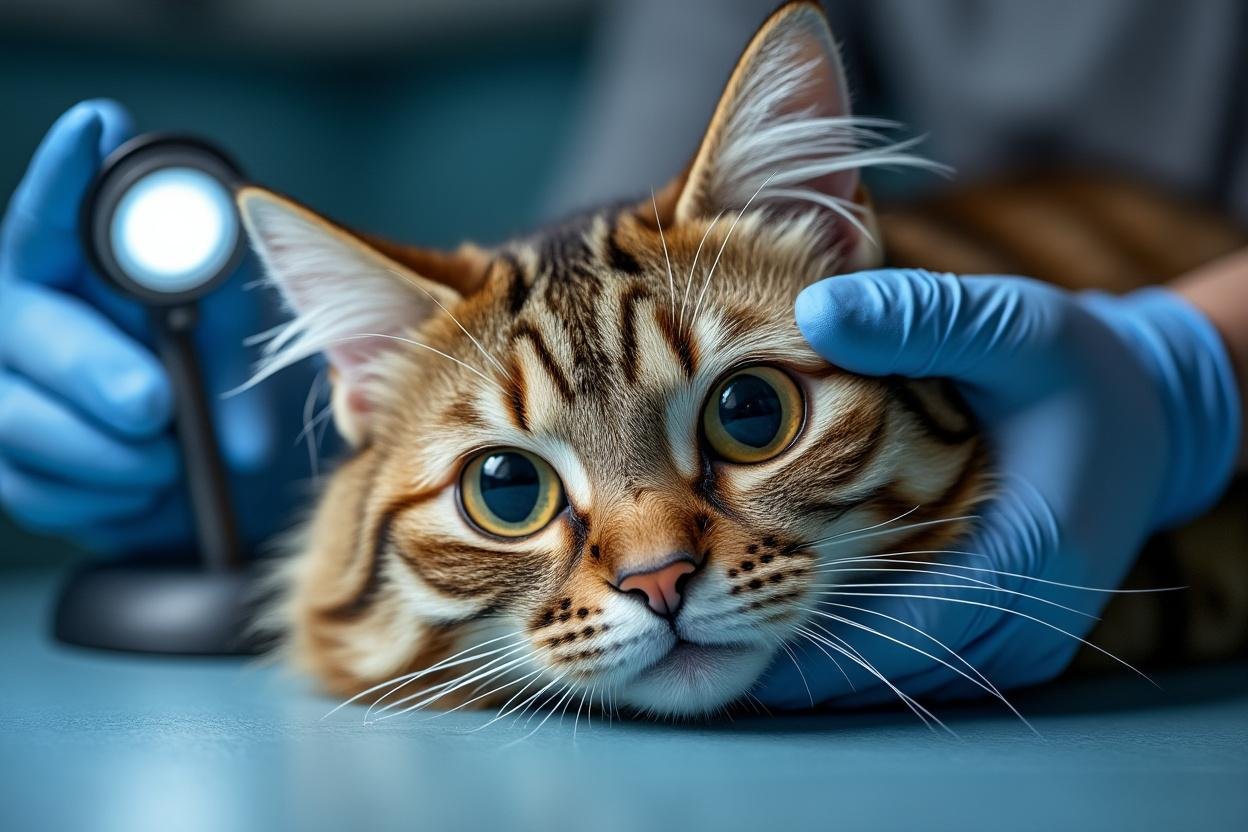
Your veterinarian will perform a complete ophthalmological exam, possibly measure intraocular pressure, perform blood tests, and suggest imaging if necessary. An accurate diagnosis guides treatment, whether it is medications, surgery, or management of a general illness.
Some disorders require urgent intervention to avoid pain and vision loss. Other conditions require long-term monitoring and treatment adjustments, especially in cases of hypertension or metabolic diseases.
To help you prioritize, here is a summary table comparing the clinical signs to look out for and recommended behavior.
| Sign observed | Possible interpretation | Recommended action |
|---|---|---|
| Pupils dilated in the dark | Normal physiological response | Monitor, no emergency |
| Persistent dilation without cause | Eye or neurological problem | Quick veterinary visit |
| Dilation + vomiting or convulsions | Systemic disorder or poisoning | Veterinary emergency |
| Recent anisocoria | Unilateral damage (nerve, glaucoma) | Immediate ophthalmological visit |
| Red eyes, pain, tearing | Glaucoma, uveitis, infection | Medical or surgical treatment depending on the diagnosis |
Summary of warning signs
In summary, some situations require immediate consultation: dilated pupils while the cat is calm, persistent dilation without a trigger, presence of vomiting, lameness, seizures, or any notable behavioral change.
I encourage you to observe general behavior and other clinical signs. In case of doubt, a consultation allows serious causes to be excluded and appropriate treatment to be instituted, which often improves the prognosis 🩺🐾.
Latest posts

Adopt a small dog for free near Marignane: complete guide

Most expensive animal: what is its price? Discover the most expensive animals

How can I help my dog who barks when alone feel reassured?

Calming your cat’s heat with essential oils: what do you need to know?

I Regret Getting a Second Dog: What Should I Do?
How long can a rabbit go without drinking?

How does the Sarthe Animal Defense League protect hedgehogs?
Dog coughing as if he had something stuck: causes and solutions
How to easily recognize a carpenter wasp?