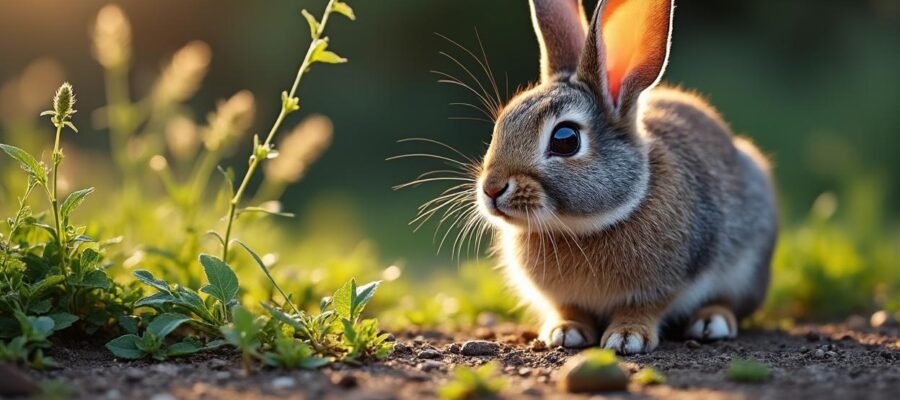
Rabbits are sensitive to changes in available water and the question often arises during the consultation “how long can a rabbit go without drinking”. 😊
Quick summary:
A rabbit should not stay longer than 24 hours without drinking, I help you act quickly to protect your transit and your kidneys. 💧
- Expected contributions: From 50 to 150 ml/kg/day depending on diet, age and temperature.
- Alert thresholds: net drop in consumption, never more than 24 hours without water, emergency from 12 to 24 hours ⚠️, call your vet.
- Signs to look out for: tiredness, dry mucous membraneseyes a little sunken, less excrementless elastic skin.
- Immediate actions: fresh water in a bowl and bottle, multiple access pointsextra juicy vegetables, calm environment.
- In the hot season 🌡️: renew the water more often, provide shade and a cool room, control consumption.
As a veterinarian, I will explain here what the specialist sources say, how to identify a problem and what actions to take immediately if your pet stops drinking.
Understanding the hydration needs of rabbits
Before discussing the risks, you need to know the normal water needs of rabbits.
Amount of water needed
A healthy rabbit usually drinks between meals 50 and 150 ml of water per kg of weight per daydepending on diet, age and room temperature.
This range covers different situations: a young animal, an adult fed primarily on hay, or an animal housed in a warm environment may be at different ends of this range.
Here is a summary table to visualize these needs based on weight.
| Rabbit weight (kg) | Typical consumption (ml/d) | Concrete example | Observations |
|---|---|---|---|
| 1 kilogram | 50 – 150 | 50 to 150 ml per day | Suitable for dwarfs and very young people |
| 2kg | 100 – 300 | From 100 to 300 ml per day | Average situation for an adult |
| 3 kilograms | 150 – 450 | From 150 to 450 ml per day | Greater if hot or dry diet |
| 4 kilograms | 200 – 600 | From 200 to 600 ml per day | Large or breeding rabbits |
Role of water in rabbits
Water participates in digestion, intestinal transit and renal function. It also helps regulate body temperature.
In rabbits, a decrease in water intake rapidly affects transit. Insufficient consumption can lead to a decrease in appetite, then to the cessation of excrement and a rapid deterioration of the general condition.
The risks of dehydration
Understanding the dangers allows you to act more quickly. Here I detail the definition, signs and complications related to water leakage.
What is dehydration
Dehydration corresponds to a water deficit in the body which compromises physiological functions. It occurs when intake is less than losses or when the animal has no access to water.
This deficiency alters hemodynamics, renal perfusion and intestinal transit. In rabbits, this cascade can be accelerated due to their specific metabolism and sensitivity to stress.
Signs of dehydration
Symptoms to look out for include fatigue, decreased appetite, and dry mucous membranes (sticky gums, sunken eyes).
We can also observe a dull coat, a reduction in urinary elimination and less elastic skin. These signs often appear gradually, so you should check your general condition regularly.
- Tiredness and apathy
- Loss of appetite
- Dryness of the mucous membranes
- Interruption of transit, reduction of excrement
Complications from 12 to 24 hours
The sources converge on one point: from 12-24 hours without water serious complications can appear. These include gastrointestinal stasis, shock and acute renal failure.
Stasis can lead to abdominal pain and complete cessation of transit, which worsens dehydration and causes a vicious cycle. The longer the delay, the more urgent and complex the treatment becomes.
Maximum time without water
Here is the general rule to remember for the safety of your pet.
Theoretical maximum limit
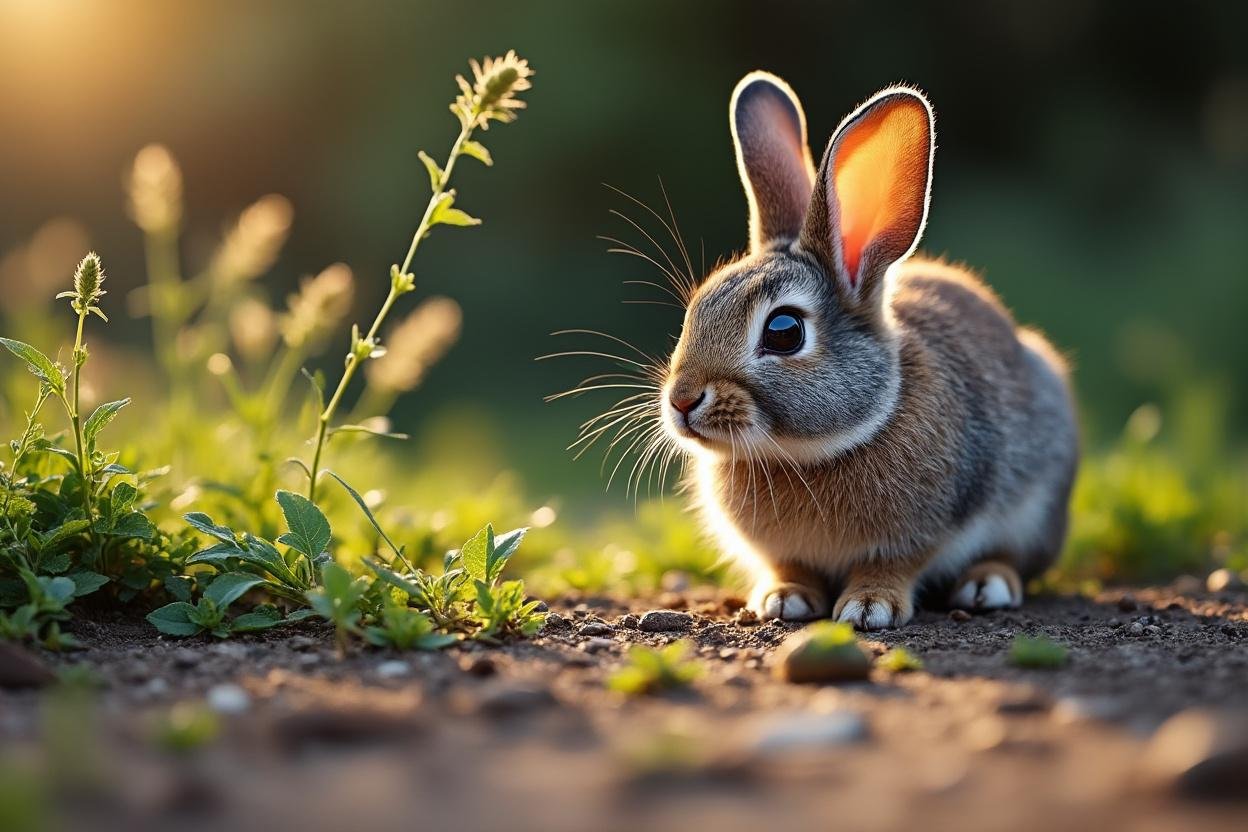
Veterinarians and specialist resources indicate that a rabbit should not Never go more than 24 hours without hydrating. This duration represents a theoretical limit beyond which the risk of transition to a critical state increases significantly.
Basically, every hour counts. Even before you reach this threshold, reduced consumption over several hours should alert you.
Impact of exceeding this limit
If the absence of water exceeds 24 hours, the organs can be irreversibly affected. The kidneys are particularly vulnerable and the prognosis deteriorates rapidly.
Beyond this period, rehydration often requires veterinary intervention, sometimes hospitalization and perfusion, to correct deficits and prevent metabolic complications.
Impact of temperature and environment
Tolerance to lack of water varies depending on the season and breeding conditions.
Influence of heat
In summer the safety margin decreases: the heat increases water loss and accelerates dehydration. It is therefore not necessary not even close to 24 hours without water when temperatures rise.
A rabbit exposed to high temperatures may show signs of distress more quickly, including rapid breathing and lethargy. Monitoring becomes more challenging during hot periods.
Water security and development
Ensuring good water availability involves placing multiple water access points, checking drinkers and offering fresh water several times a day. Water must be clean and accessible at all times.
Alternatives such as water-rich vegetables can supplement your intake, but are not a substitute for a free, constant source of water. During the hot season it is useful to monitor consumption and note any changes.
Common mistakes and extreme testimonies
On the internet, some videos or testimonies claim that rabbits have survived several days without drinking. It is important to maintain and explain a critical gaze on these stories.
Analysis of extreme cases
Isolated cases where animals survive longer are often poorly contextualised. The observed survivals do not mean that it is risk-free or that this situation is tolerable.
These histories do not take into account potential complications or subsequent care received and should not be used as a guide for the day-to-day management of a rabbit.
Reliability of online sources
Impressive videos may circulate and give a false idea of the rabbit’s resistance. Their credibility is often low, especially if they contradict veterinary recommendations and specialist associations.
When in doubt, choose the advice of an animal health professional rather than unverified testimonials. Caution prevents serious consequences for your pet.
Importance of acting quickly
If you notice that a rabbit has not drunk for several hours, you need to evaluate the situation immediately.
When to speak urgently
If your rabbit has not had access to water since then 12-24 hoursconsider it a veterinary emergency. Clinical signs can progress rapidly to a critical condition.
Don’t let the situation get worse hoping for spontaneous improvement. A consultation allows you to evaluate hydration, transit and general conditions, and to intervene if necessary.
Actions to be taken immediately
Offer fresh water immediately and facilitate access, placing a shallow bowl or pipette if the animal is weak. You can offer juicy vegetables to increase fluid intake, but this is still a supplement.
Monitor consumption, note quantities if possible and contact your vet if a significant decline is observed. While waiting for the consultation, keep the environment calm and temperate.
- Always provide fresh, clean water
- Offer foods rich in water (leaves, water competitors)
- Respect the signs and contact a professional if you notice a marked reduction
In summary, permanent access to water is the first prevention measure. If you notice no alcohol for several hours or worrying symptoms, act quickly and consult. ⚠️
I remain available to answer your questions and support you if you need to make a decision for your rabbit’s health. 💧🙂
Latest posts

Adopt a small dog for free near Marignane: complete guide

Most expensive animal: what is its price? Discover the most expensive animals

How can I help my dog who barks when alone feel reassured?
Calming your cat’s heat with essential oils: what do you need to know?
I Regret Getting a Second Dog: What Should I Do?
How long can a rabbit go without drinking?
How does the Sarthe Animal Defense League protect hedgehogs?
Dog coughing as if he had something stuck: causes and solutions
How to easily recognize a carpenter wasp?