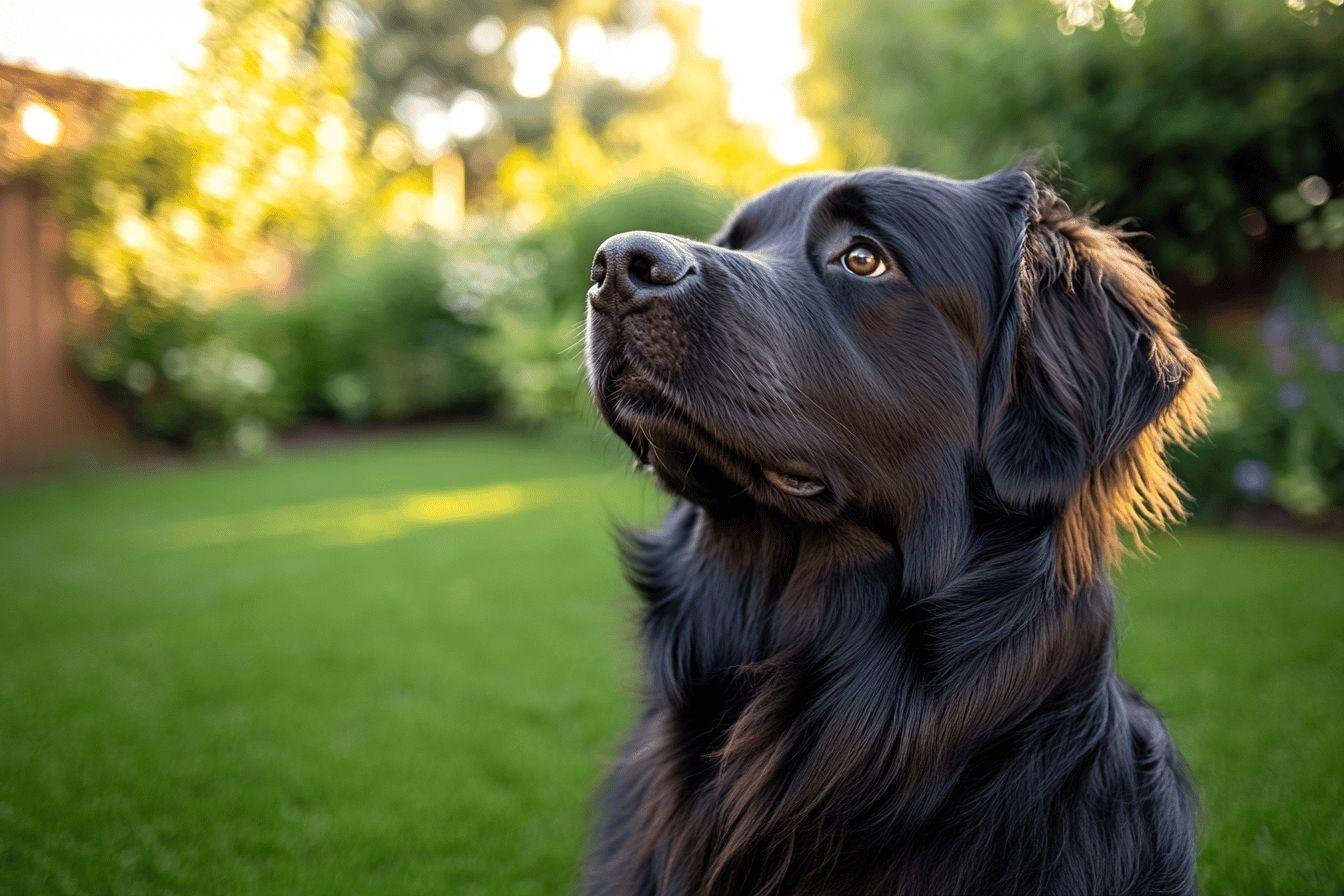

Faced with a dog that shows signs of aggression, many owners find themselves helpless. In over 20 years of veterinary practice, I have supported hundreds of families who found themselves facing this delicate situation. Canine aggression represents one of the most frequent reasons for consultation in our clinic and I completely understand your concern if you find yourself in this situation. 🐕 Know that solutions exist, but they require patience, perseverance and a methodical approach.
Quick summary:
Canine aggression is a behavioral symptom which can be treated with a methodical and professional approach.
- Consult A behavioral vet to rule out any underlying medical causes
- Identify the type of aggression (fear, territorial, pain) to adopt adequate strategy
- Apply rehabilitation based on positive reinforcement and progressive desensitization
- Organize the environment to be created safe spaces and avoid triggering situations
Understanding your dog’s aggression
Aggression is not a character trait but a behavioral symptom they can have different origins. Over the course of my career I have witnessed remarkable transformations in dogs initially considered “unsalvageable”. I particularly remember a German shepherd named Max, who came to the clinic after biting several people. After a thorough examination, we discovered that he was suffering from chronic hip pain. Once this problem was resolved, his behavior improved significantly. 🩺
The main forms of canine aggression that I encounter on a daily basis are:
- Fearful aggression (most common)
- Territorial aggression
- Pain-related aggression
- Resource protection
- Redirected aggression
Recognize the warning signs is essential: growling, pursed lips, rigid posture or bristling fur are all indicators that your dog is communicating distress. During the consultation, I often observe that owners did not notice these signs before the bite, mistakenly believing that aggression occurs without warning.
Underlying causes usually include past trauma, lack of early socialization, undiagnosed health problems, or inadequate upbringing. Genetics may also play a role, with some bloodlines showing predispositions to greater anxiety reactions.
| Type of assault | Characteristic signs | Recommended approach |
|---|---|---|
| Out of fear | Low posture, tail between legs, attempt to escape before attack | Progressive desensitization, creation of positive associations |
| Territorial | Demonstration in case of approaching intruders, protection of the premises | Access control, learning alternative behaviors |
| Related to pain | Reaction during specific manipulations | Complete veterinary examination, appropriate medical treatment |
Solutions for managing an aggressive dog
The first step essential is to consult a veterinary behaviorist. I systematically recommend this approach to my clients to obtain an accurate diagnosis. In our clinic we always start by excluding any medical causes that could explain the aggression. A thorough clinical examination, sometimes supplemented by blood tests, allows us to identify any pain or hormonal disorders. 🧬
Behavioral rehabilitation is based on several pillars:
- Positive reinforcement of appropriate behaviors
- Progressive desensitization to triggering situations
- Learn alternative behaviors
- Strict environmental management
Environmental planning plays an important role. Create safe spaces for your dog by temporarily avoiding stressful situations helps prevent accidents. In some cases, pharmacological treatment can be considered as a support to behavioral therapy, never as the only solution.
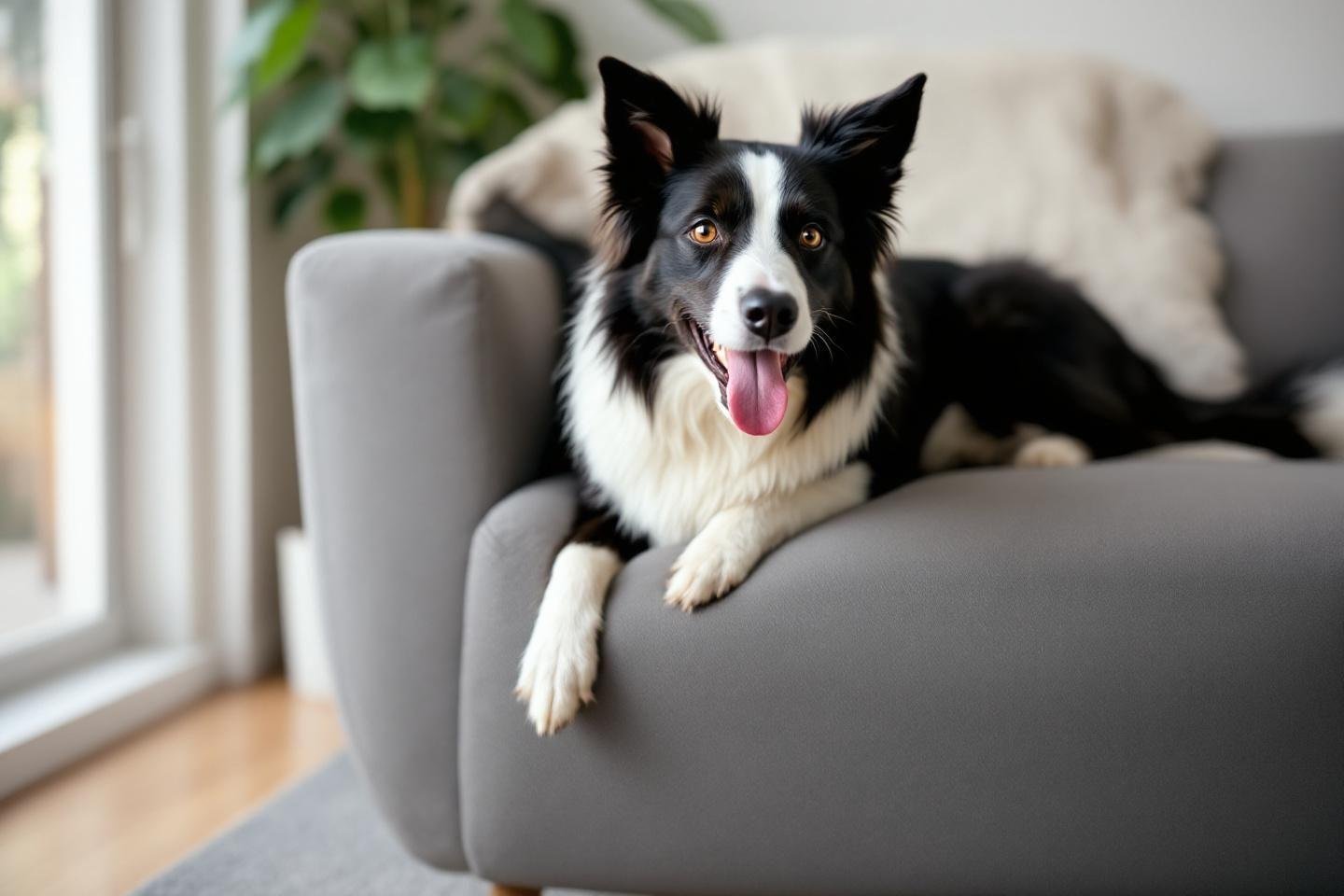
A few years ago I worked with a family whose border collie exhibited extreme territorial aggression. We implemented a program that combines temporary medications, structured educational sessions, and gradual modification of the environment. After six months of constant effort, this dog is now able to accept visitors without showing aggression. These transformations are possible, but they require commitment and consistency.
Alternatives to abandoning your aggressive dog
When the situation seems insurmountable despite your efforts, you have several options before you consider giving up. THE specialized pensions offer temporary accommodation during rehabilitation, with adequate infrastructure and staff trained in managing difficult dogs. 🏡
Placement with an experienced host family is an interesting alternative. These families, often linked to animal protection associations, possess the necessary skills to support the progressive rehabilitation of their companion, always under professional supervision.
Intensive courses are also an option to consider. These programs overseen by behaviorist educators offer a structured framework for working on specific behavioral issues. Thanks to my experience as a veterinarian, I regularly collaborate with various centers that offer this type of service and the results are often very encouraging.
Euthanasia should only be considered as a last resort, after all other treatment options have been exhausted. This extremely difficult decision is made only after a careful assessment of the risks and the animal’s quality of life. In my practice, I always make sure to research all possible alternatives before supporting a family towards this outcome.
What to remember about dog aggression
Aggression is not inevitable but it is a behavior that can generally be changed with an appropriate approach. There behavioral rehabilitation constitutes the central pillar of any rehabilitation process, but requires time and consistency. 🕰️
Acting quickly at the first signs of aggression greatly increases your chances of success. Prevention remains the best approach, particularly through early socialization and positive education from an early age.
Remember that every dog is unique and their history shapes their behavior. By understanding the specific causes of his aggression, you can offer him the help he needs. After two decades of supporting owners in this situation, I can assure you of this patience and perseverance they are often rewarded with significant progress.
Latest posts
Adopt a small dog for free near Marignane: complete guide

Most expensive animal: what is its price? Discover the most expensive animals

How can I help my dog who barks when alone feel reassured?

Calming your cat’s heat with essential oils: what do you need to know?

I Regret Getting a Second Dog: What Should I Do?

How long can a rabbit go without drinking?
How does the Sarthe Animal Defense League protect hedgehogs?

Dog coughing as if he had something stuck: causes and solutions
How to easily recognize a carpenter wasp?