

Cat litter boxes are more than just a box filled with absorbent material, they recreate a microenvironment that satisfies the profound behavioral and sensory needs of felines. As a veterinarian and co-director of a clinic, I see every day how adequate bedding affects well-being, the prevention of urinary disorders and the relationship between the animal and its home environment. 😊
Quick summary:
A carefully chosen and maintained litter box, respecting its smell, position and consistency, encourages your cat to use it, reduces stress and limits peeing outside the box. 🐾
- Familiar smells : I do not recommend scented litter, keep a neutral odor so as not to mask the pheromones.
- Quiet and visible location : I recommend placing the basket away from the bowls, away from noise, with multiple containers distributed if you have multiple cats.
- Scratchable substrate : Provides a crumbly texture that digs and changes the litter gradually mixing the old and new substrate.
- Daily cleaning : collect every day, renew according to the type of litter, clean the box with hot water without strong perfumes.
- Less stress, no pain : monitor forward and backward movements, vocalizations or abnormal postures, consult without delay if in doubt.
Why are cats attracted to litter box?
Before examining specific factors, it is important to remember that litter box use is the result of a combination of instincts, olfactory sensations, and environmental conditions. A well-chosen litter box becomes a safe space where the cat can express its natural behaviors.
The following paragraphs detail five main reasons explaining this attraction, drawn from clinical observations and summaries of specialized articles.
Let’s start from the first cause, often the most obvious to attentive owners.
Familiar smells and pheromones
Cats communicate primarily through smell. They leave facial pheromones and urine marks to mark their territory and reassure themselves. A clean litter box, but one that bears their olfactory signature, attracts the cat because it allows him to find a familiar point of reference.
A freshly cleaned box often invites the cat to leave its scent inside, which reinforces its sense of belonging. When changing the litter box or after aggressive cleaning (strong perfumes, chemicals), the cat may hesitate due to the lack of olfactory cues.
In the clinic I observe that some cats prefer neutral litter rather than scented litter. Anti-odor additives can mask natural pheromones and hinder place recognition.
Olfactory marking also has a social function. A household with multiple cats may notice changes in box usage based on messages left by other cats. In case of aggression between conspecifics, consult our article on why my cat attacks my other cat to better understand and take action.
Before we discuss the location, here are some practical guidelines on the influence of smell:
- Avoid strongly scented litter for sensitive cats.
- Choose regular cleaning rather than a strong disinfectant that erases all odors.
Let’s now move on to the organization of space, another crucial point.
Safe and visible position
The choice of container location has a direct effect on the frequency of use. A quiet, airy and easily accessible location reduces anxiety and encourages purging behavior. Cats like to see their immediate environment, they try to feel safe during the gesture.
I recommend placing the litter box away from feeding areas and water points, because the proximity between food and excrement is poorly tolerated by the cat. Keeping a distance between bowls and bin reduces stress and prevents waste of use.
Noisy, narrow or busy places (near a washing machine, in the corner of a corridor) can be sources of avoidance. A cat that feels observed or surprised risks abandoning the litter box.
For families with multiple animals it is advisable to install multiple boxes distributed throughout the house, in order to guarantee privacy and availability. This limits the accumulation of odors and usage conflicts. For practical advice on how to prevent your cat from peeing in the house, consult our guide.
Before detailing the substrate, remember that location serves as a contextual framework that makes the litter more or less attractive.
The scratchable and natural substrate
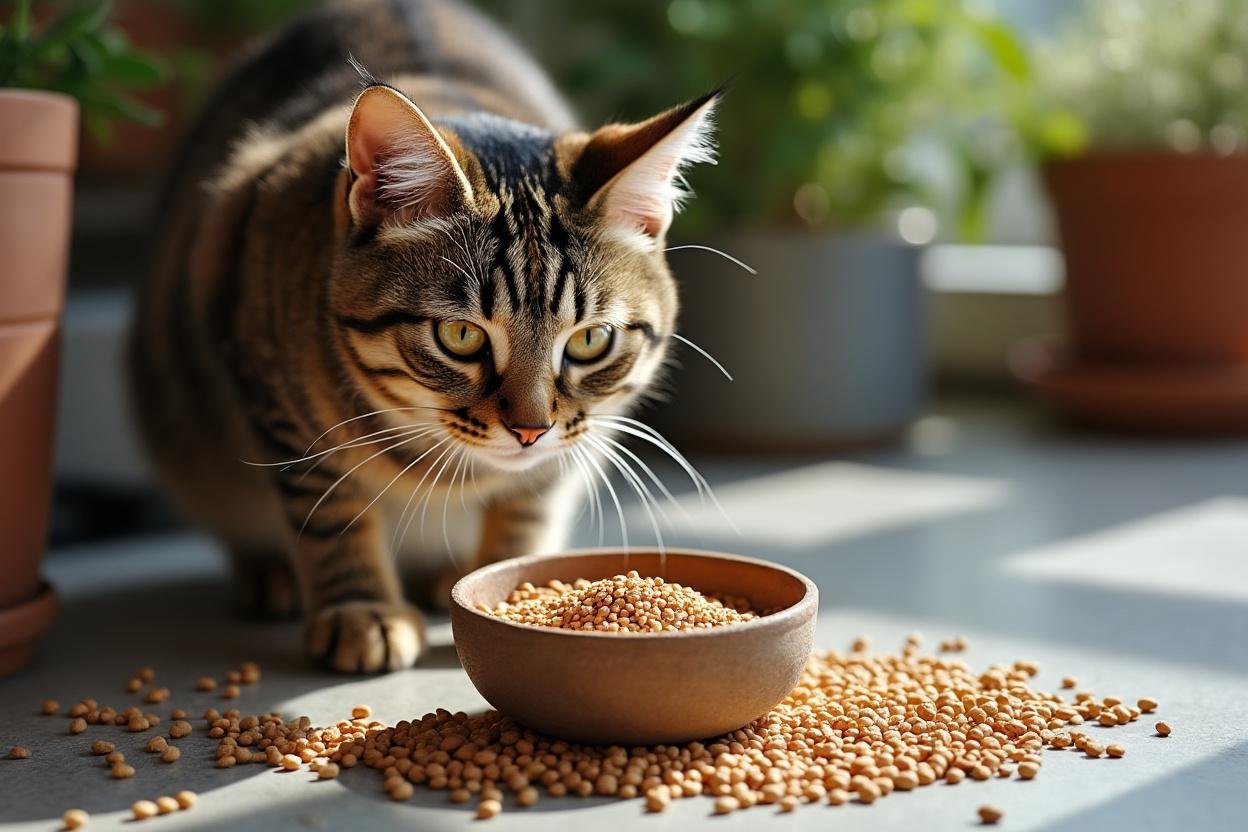
Instinct pushes the cat to scratch itself to bury its own excrement, a gesture resulting from evolution that limits its discovery by predators. A substrate with a scratchable and crumbly consistency satisfies this burying instinct and makes the basket attractive.
The materials vary: aggregating clay, silica granules, corn-based vegetable litter, paper or wood. Each texture receives a preference depending on the cat. The main thing is that the material allows for digging, covering and a comfortable feeling for the paws.
In the clinic I recommend observing the cat’s reaction when changing the substrate. A gradual transition, mixing the old and new litter, facilitates acceptance. Tactile familiarity reduces rejection.
Bedding that is too rough or dusty can be unpleasant or cause irritation to the respiratory tract. Granulometry, odor and absorption capacity are criteria to be balanced to encourage regular use of the container.
Here is a simple comparison table to choose a substrate based on your priorities.
| Type of litter | Structure | Main advantage | Frequent limit |
|---|---|---|---|
| Clumping clay | Grainy | Good sod formation, easy to clean | Dust, weight |
| Silica (crystals) | Pellets | Long-lasting absorption, odor control | Texture that does not crease easily |
| Plant litter | Fine to fibrous | Biodegradable, often gentler | May require frequent changes |
| Recycled paper | Soft | Little dust, comfort | Limited absorption |
This table helps to compare the cat’s behavior with the tangible characteristics of the substrate, in order to make a reasoned choice.
Regular cleaning
Cats are very meticulous animals, they appreciate cleanliness. An aquarium maintained daily maintains their interestwhile dirty or smelly litter encourages over-boxing and domestic accidents.
Maintenance must be adapted to the type of litter: daily collection of tufts for clumping litter, emptying more spaced out for crystals, but complete and regular cleaning to avoid bacterial proliferation and persistent odors.
As a professional, I highlight the health impact of poor hygiene: stagnation of urine or matter facilitates the development of pathogens and increases the risk of urinary infections. Rigorous maintenance contributes to prevention.
To help owners, here is a concise list of recommended actions:
- Pick up clods or droppings at least once a day.
- Completely replace the litter according to the manufacturer’s recommendations.
- Clean the tank with warm water and without harsh perfumes.
The absence of stress or pain
Trash can use can be disrupted by emotional or physical factors. Changes in the environment, conflicts between animals or the presence of repeated noises increase anxiety and change elimination behavior. A calm cat returns more spontaneously to the litter box.
Medically, some conditions make using waste painful, including urinary infections, cystitis, joint pain, or dermatological problems. A cat who associates the tray with pain will sometimes avoid the action or look for alternatives in other parts of the house.
It is important to watch for warning signs: frequent trips to the playpen without producing urine, vocalizations, abnormal posture, or sudden changes in grooming. These clues justify a quick veterinary consultation.
In addition to treatment, adapt the environment to reduce stress helps in the redevelopment of litter boxes: quiet areas, sufficient number of boxes, free access and absence of sudden changes.
To conclude briefly, remembering these five factors helps diagnose and correct most litter box problems, while improving your cat’s comfort and health. 🐾
Latest posts

Adopt a small dog for free near Marignane: complete guide

Most expensive animal: what is its price? Discover the most expensive animals

How can I help my dog who barks when alone feel reassured?
Calming your cat’s heat with essential oils: what do you need to know?

I Regret Getting a Second Dog: What Should I Do?

How long can a rabbit go without drinking?

How does the Sarthe Animal Defense League protect hedgehogs?

Dog coughing as if he had something stuck: causes and solutions

How to easily recognize a carpenter wasp?