

The field mouse is a small rodent that is often found in vegetable gardens and flowerbeds and can quickly become a problem for your crops and young trees. As a veterinarian, I understand the importance of taking action without needlessly harming animals, while protecting your garden and crops. Here is a clear guide to recognizing field mice, understanding their eating behavior and limiting the damage they cause. 🐭🌱
Quick summary:
Protect your garden while respecting wildlife, I will guide you to recognize the field mouse and limit its damage with simple and targeted actions 🐭🌱.
- Identify the field mouse : thin tail, small tunnels under flowerbeds, attracted by vegetated areas, to distinguish it from the rat.
- Reduce sources of attraction : seeds and food in airtight containers, troughs raised and cleaned, collection of fallen fruit.
- Physical barriers : underground netting around the roots and boards, trunk protection for young fruit trees, well-kept borders.
- Seasonal monitoring : spring-summer, protects young shoots; fall, protect seeds and reserves; winter, check the surroundings of buildings.
- Repellent plants : mint, elderberry, imperial fritillary, alliaceae; possible castor flour, with caution in the presence of pets.
Understanding the field mouse: a garden pest
Before acting, it is useful to know the animal in front of us, to adapt prevention and intervention measures to its ecology and needs.
What is the field mouse?
The field mouse is a small omnivorous rodent, close to mice, but with its own behaviors and food preferences. It generally measures a few centimeters and lives in underground burrows or piles of plants. Its morphology and thin tail can cause it to be confused with other rodents, hence the importance of identifying it correctly.
Recognizing the field mouse helps to avoid diagnostic errors that would lead to unsuitable methods. Unlike the rat, the field mouse is smaller, prefers vegetated environments and often digs shallow tunnels under the ground or under piles of wood.
Field mouse diet
The field mouse is omnivorous, but shows a strong preference for plants. Its diet consists mainly of seeds, fruits, berries, roots and young shoots. In favorable periods it supplements its diet with small invertebrates such as larvae, worms and some insects.
This dietary flexibility explains why it acclimatizes easily to cultivated areas and feeders. It also does not mind poorly stored food waste, bird mixes and dried fruit or nuts that fall to the ground.
The most common sources of attraction are bird nests and feeders, bags of seeds left outdoors, and areas where plant waste accumulates. Protecting these weak points is the first step in reducing field mouse pressure.
The most vulnerable vegetables and crops
Some plants are particularly vulnerable to damage from field mice because they offer easily accessible nutrient reserves or roots that are easy to gnaw on. Cereal crops such as wheat, barley and corn can suffer losses when infestation is heavy.
Vegetable roots are often targeted, including carrots, potatoes, beets and turnips. Young plants with tender roots can silently disappear beneath the surface, compromising the harvest. Leafy greens such as leeks and chard can also be nibbled, and the bark of young fruit trees suffers from bites.
Understanding field mouse behavior
The feeding behavior of field mice varies depending on the seasons and available resources, which influences the timing and type of damage observed. Understanding these variations helps to anticipate and plan prevention actions.
Seasonal adaptation of the diet
In spring and summer the field mouse exploits young shoots, shoots and insects. It is a period of abundance in which it can diversify its diet, which favors reproduction and population expansion. During this time you will often see increased activity near young plantings.
In autumn its diet focuses on seeds, dried fruit and roots, as a reserve for the cold months. In winter the animal relies more on supplies placed in the den and on seeds available in the environment, particularly those fallen from trees.
Storage strategies
The wood mouse accumulates food reserves in its burrow, sometimes in large quantities, which explains its increased energy in autumn. Opt for energy-rich sources such as oil seeds and dried fruit, which keep well.
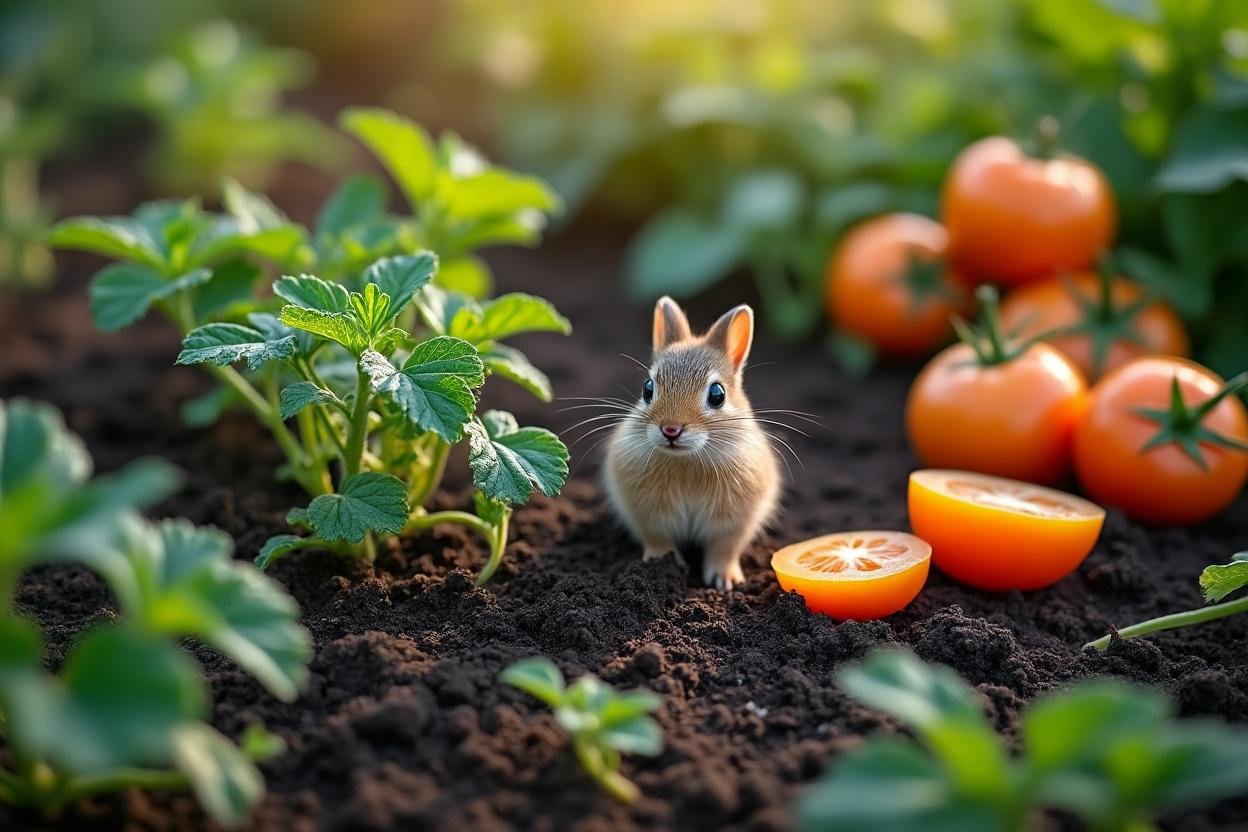
Winter preparation it is one of the main factors in his behavior. By storing it in tunnels, it reduces exits during cold periods, but it can also seek warmer shelters, even near homes if access is easy.
Anticipate damage caused by field mice
Taking preventive action often allows you to avoid more serious interventions. Prevention methods are based on the reduction of attractive resources and the physical protection of fragile crops.
Protect sources of attraction
Controlling access to food is the first line of defense. Use airtight containers for seeds, pet food and bird mixes. Avoid leaving waste or fallen fruit on the ground and regularly collect scattered seeds.
It is also important to limit entry points to buildings. Seal holes and cracks, protect basements and sheds, and maintain a clear area around foundations to reduce potential hiding spots.
- Store food in closed metal cans or plastic containers.
- Lift the feeders and clean up the crumbs.
- Close the bags of compost or organic waste hermetically.
For chicken coops, also consider the cleanliness of the chicken coop: a clean chicken coop attracts fewer rodents and limits the resources available to field mice.
Protect the garden and crops
Simple physical barriers can limit field mice’s access to sensitive areas. For example, in-ground screening or protection around roots reduces damage to tubers and roots.
Regular maintenance The appearance of the garden is also important: removing fallen fruit, reducing piles of wood and leaves and reducing grassy areas where field mice can hide helps reduce shelters. Cultural control, such as crop rotation and border cleaning, complements physical protections.
You can also consult tips to protect your plants in the garden and limit the risks related to external sources of attraction.
Repellent plants to consider
Some plants give off unpleasant odors to field mice and can reduce their presence around flowerbeds. Mint and elderberry are often among the recommended options, as is the imperial fritillary for its repellent properties.
Plants of the garlic and onion family, planted along borders, produce sulfur compounds that bother some rodents. We can also use local preparations, such as elderberry manure or castor oil cake, which discourages some small mammals with its odor.
Here is a summary table to compare the sensitive areas, the type of damage and the appropriate protection measures.
| Area/Culture | Type of damage | Recommended measurements |
|---|---|---|
| Cereals (wheat, barley, corn) | Seed consumption, yield loss | Monitoring, barriers, residue removal, safe storage |
| Roots (carrots, potatoes) | Infestation of tubers and roots | Buried network, adequate mulching, rapid collection |
| Young fruit trees | Bark that gnaws, weakens | Trunk protection, limited mulching, cleaning of surrounding areas |
| Feeders and bird food | Attraction and concentration of field mice | Independent feeders, regular cleaning, airtight containers |
As an animal health professional, I advocate for methods that respect animal welfare while protecting crops. The goal is to balance environmental management to limit damage without systematically resorting to lethal solutions.
To summarize, identify the field mouseKnowing your seasonal food preferences and reducing accessible resources are the most effective levers. By combining regular maintenance, physical protection and repellent plants, you can significantly reduce invasions and preserve your crops, respecting the animal life in your garden. 😊
Latest posts

Adopt a small dog for free near Marignane: complete guide

Most expensive animal: what is its price? Discover the most expensive animals

How can I help my dog who barks when alone feel reassured?

Calming your cat’s heat with essential oils: what do you need to know?

I Regret Getting a Second Dog: What Should I Do?

How long can a rabbit go without drinking?

How does the Sarthe Animal Defense League protect hedgehogs?

Dog coughing as if he had something stuck: causes and solutions
How to easily recognize a carpenter wasp?