

THE house rabbit perhaps thanks to its small size and resemblance to a cotton ball, it has increasingly become part of Italian families. In a short time he became, together with dogs and cats, a puppy victim of an impulsive adoption which as such does not take into account the real needs of the animal, increasing the abandonment rate over time.
Experts identify rabbits with a life expectancy of more than 12 years and like any other living thing they need care and attention. If you plan to adopt one, it is good to know how to take care of it to ensure it has a quality life.
In this article you will find some more information about rabbits and everything you need to give them the care and attention they deserve.
In this article
1. What veterinary care does he need?
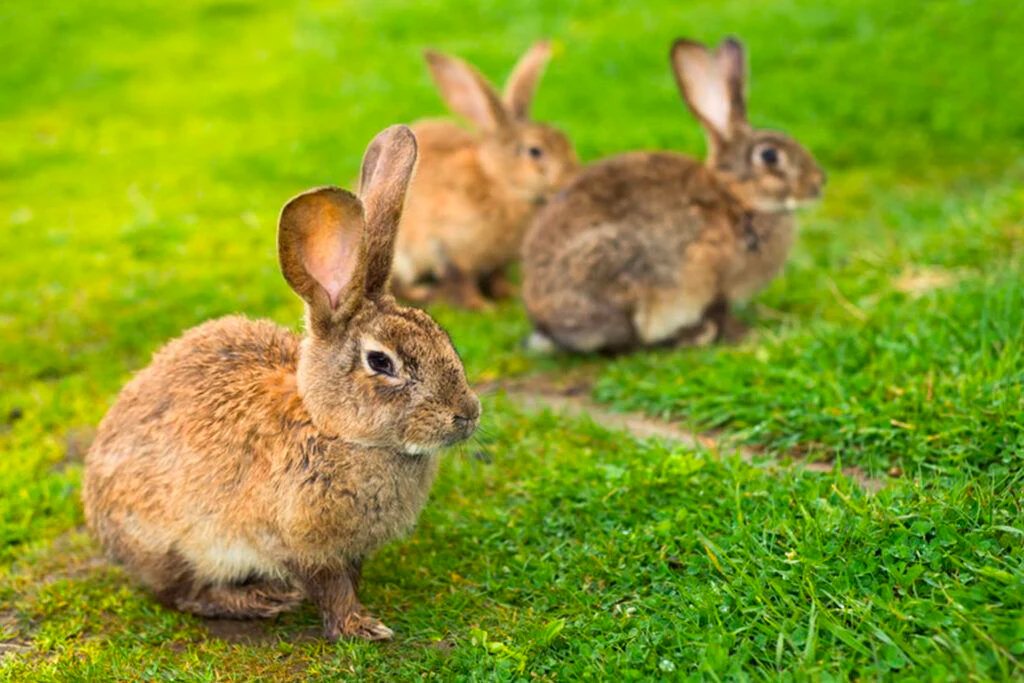
When you decide to adopt a Child rabbit, whether it comes from a farm or a private home, the first step is to check its health. It is advisable to have a vet check complete control paying particular attention to the presence of any gastrointestinal parasites, which if not treated can cause the death of the animal. This first complete check must also be accompanied, over time, by mandatory vaccinations and subsequent annual checks .
2. Indoor rabbit: how to prepare the house
Domestic rabbits just like dogs and cats, they need space and movement and the lack of these conditions could cause behavioral disorders and stress in the animal.
The rabbit he needs a den in which he can feel safe the cage performs precisely this function. Once set, the rabbit cage it becomes the place where you can eat, rest, do your business and feel safe. Precisely because it takes on the role of a den, it is very important that the animal can freely choose when to enter and exit the cage. Indoors and out, the rabbit must never be left alone without supervision because the risk of them putting themselves in danger by gnawing on electrical cables or becoming victims of a predator is very high.
But which cage to choose? THE rabbit cage it should normally be five times larger than an adult rabbit this guarantees the animal the right freedom of movement. The advice is not to immediately give him too much space in the house, but to allow the animal to gradually get to know the environment and understand where he can make a mess. In particular, it is necessary to prepare a corner inside the cage every day with fresh water, hay and so on rabbit litter where he will freely carry out his business.
3. What does a rabbit eat?
The rabbit is not a rodent, but is part of the herbivore family; this implies that in nature it needs to consume a unlimited quantity of hay and fresh grass paired with a moderate amount of leafy greens, carrot tops, endive, radicchio, basil and lettuce. To ensure a balanced diet it is good practice to integrate all the necessary macronutrients through small quantities of high fiber content pellets rabbit snacks .
This type of nutrition is essential because:
- Rabbit’s teeth grow constantly, gnawing on this type of food allows them to do so file his teeth
- consuming a high-fiber diet allows him to do this digest food correctly and avoid intestinal blockages
Furthermore, the rabbit needs to do a lot of exercise which aids digestion, limiting the risk of obesity. For this purpose rabbit run structures are very helpful to allow them to move around the house or garden safely.
4. A bored rabbit causes problems
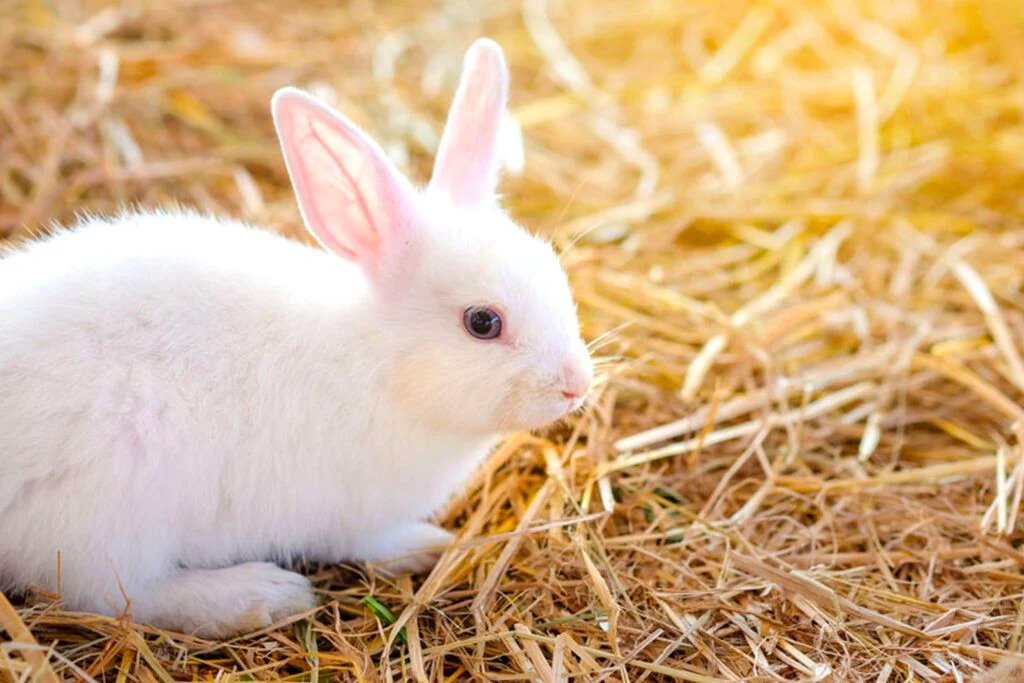
Each rabbit, just like other animals, has its own character; some are more sociable than others, but one thing is certain, unfortunately they tend to get bored very easily and a bored rabbit activates destructive behavior in the home for example it could gnaw furniture, doors, skirting boards, if it has nothing to dig it will claw carpets, sofas and beds with its claws. Additionally, bored rabbits are also more prone to aggression. The advice to avoid it is to guarantee him the right balance between fun and rest using chew toys or giving him the right space to explore during the day.
5. Hygiene and cleanliness: what to do?
Rabbits they often clean themselves and keep themselves quite clean however, sometimes they need to trim their nails. If you choose to get a long-haired rabbit, it is essential that it is brushed weekly to prevent their fur from getting tangled . Furthermore, if left untreated, there is a risk that they will ingest large amounts of hair causing intestinal blockage, which is the main cause of death in these animals. It is not necessary to wash it unless it is obviously dirty with feces or other things.
For greater hygiene and cleanliness, the cage should be lined with paper or wood litter that they must be cleaned daily and replaced once a week . If a specific litter box is used by necessity, this must also be cleaned daily.
Rabbits can be loving and long-lived companions, but they should not be adopted impulsively. Now that you know how to meet a rabbit’s needs and know the commitment and time needed to keep it healthy, you can evaluate with greater awareness whether it is a suitable animal for you.
Latest posts

Adopt a small dog for free near Marignane: complete guide

Most expensive animal: what is its price? Discover the most expensive animals

How can I help my dog who barks when alone feel reassured?
Calming your cat’s heat with essential oils: what do you need to know?

I Regret Getting a Second Dog: What Should I Do?
How long can a rabbit go without drinking?

How does the Sarthe Animal Defense League protect hedgehogs?

Dog coughing as if he had something stuck: causes and solutions
How to easily recognize a carpenter wasp?